
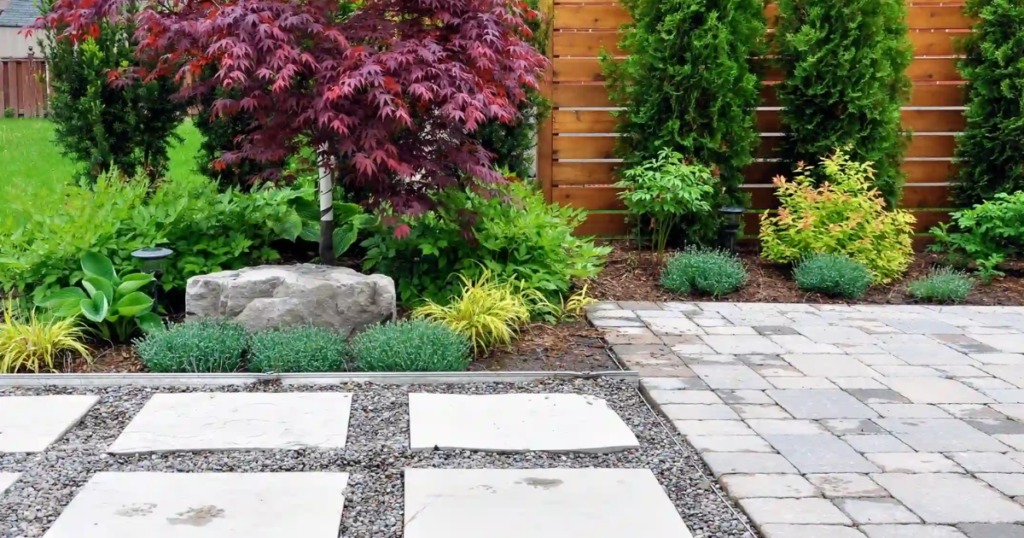
If you’ve been looking at outdoor patio options and landed on flagstone, you’ve already made a solid decision. Natural stone has a warmth and authenticity that manufactured surfaces genuinely can’t replicate. But once you start researching, you quickly realize that “flagstone” covers a wide range of materials and finishes. And the question shifts from whether to use flagstone to which flagstone is actually the best flagstone for outdoor patios in your specific situation.
The honest answer is that it depends on a few key factors, including the stone type, the surface finish, how the patio will be used, and the climate you’re working with. In Arizona’s desert environment, those choices carry extra weight. Here’s a clear guide to help you navigate the options and pick what genuinely works best for your outdoor space.
Understanding Flagstone Finishes First
Before getting into stone types, it’s worth understanding the three main surface finishes, because the finish affects both the look and the function of the surface significantly. The same stone can behave very differently depending on how its surface has been treated.
Natural cleft is the most common flagstone finish and the most affordable. The stone is split along its natural grain, which means each piece has a slightly irregular surface with some variation in thickness. It’s excellent for patios, garden paths, and casual outdoor areas. The natural texture provides good traction underfoot, which makes it a solid choice for pool surrounds. The trade-off is that the uneven surface isn’t ideal for step treads or areas where a perfectly level surface matters.
Thermaled flagstone is heat-treated to create a smoother, more uniform finish. This process involves wetting the stone’s surface and applying heat, which causes surface irregularities to pop off. The result is a cleaner, more consistent look that works particularly well for formal front entries, step treads, and commercial applications where safety and a polished appearance are both priorities. If you’re asking about the best flagstone for outdoor patios in a higher-traffic or more formal setting, thermaled is worth considering.
Honed flagstone is ground to a completely flat, smooth finish. It’s stunning visually and wonderful for surfaces that get direct contact, like outdoor kitchen countertops or firepit surrounds. However, the smooth surface isn’t ideal for high-traffic patio areas where wet conditions are common. Use it for accent pieces and detail work rather than the main patio surface.
The Best Stone Types For Arizona Patios
Not all flagstone performs the same way in a desert climate. Arizona homeowners have a few standout options that hold up particularly well in the heat.
Arizona sandstone is quarried locally and has a warm, earthy palette of tans, reds, and browns that fits naturally into the desert landscape. It’s a practical choice for both aesthetics and climate performance. It’s one of the most genuine answers to what the best flagstone is for outdoor patios in the Southwest specifically, because it belongs visually and performs well in the conditions.
Travertine has become increasingly popular for pool decks and patios throughout the Gilbert area. It’s naturally porous, which gives it a cooler surface temperature than solid concrete or sealed stone. That porosity is a meaningful advantage in an environment where barefoot comfort on a July afternoon matters. Travertine also has a refined, upscale look that appeals to homeowners who want a patio that feels like a resort.
Quartzite is one of the hardest flagstone options available. It’s dense, highly durable, and handles heavy use and Arizona’s weather cycles without complaint. It typically comes in grey, silver, and green tones and creates a clean, modern look when set properly. For homeowners who prioritize longevity above everything else, quartzite is a serious contender for the best flagstone for outdoor patios.
Dry-Laid Vs. Mortar-Set: Which Is Right For You?
Beyond stone type and finish, the installation method matters. Dry-laid flagstone is set on a compacted aggregate base with sand or decomposed granite filling the joints. It has a more relaxed, natural appearance and allows for some flexibility in the surface over time. Mortar-set flagstone is fixed permanently with bonding mortar and grouted joints, creating a more formal, rigid result. For high-use patios and pool decks, mortar-set installations generally perform better long-term in Arizona’s climate, where ground movement during monsoon season can shift a dry-laid surface.
The Bottom Line On The Best Flagstone For Outdoor Patios
For most Arizona homeowners, natural cleft Arizona sandstone or travertine in a mortar-set installation delivers the best combination of aesthetics, performance, and value. Both stay relatively cool in the sun, look genuinely beautiful in the desert setting, and hold up well through heat, monsoon rain, and long-term use. The right answer for your patio depends on the specific look you’re after and how the space will be used.
At Toros Pool Decking, we handle flagstone installation, repair, and custom patio work throughout the Gilbert area. If you want help choosing the best flagstone for outdoor patios at your home and having it installed correctly, we’re happy to walk you through the options. Ready to find out what the best flagstone is for outdoor patios for your specific space? Contact us today for a free consultation and honest advice from a team that works with natural stone every day.